
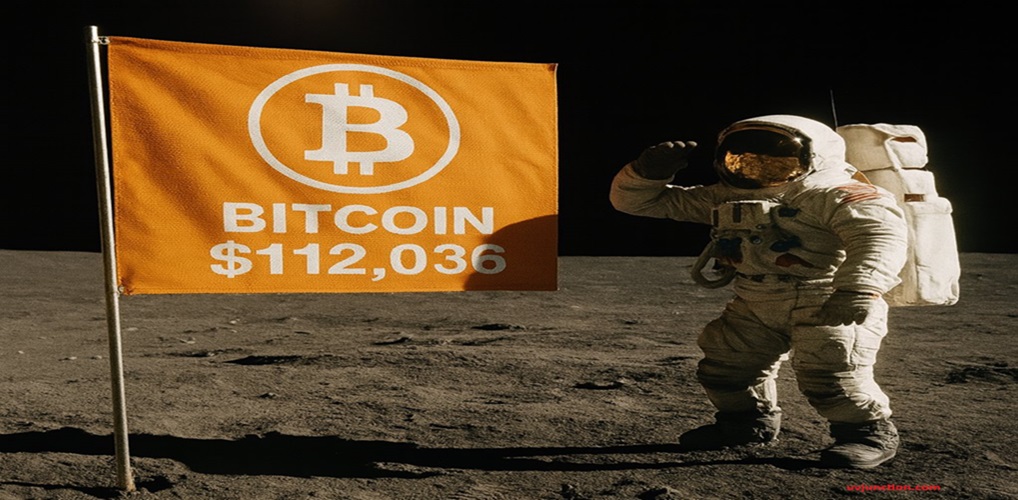
Bitcoin has once again captured the global spotlight, soaring to an all-time high just shy of $112,000. For crypto enthusiasts, it’s a moment of celebration. For traditional economists and regulators, it’s a signal flare. And for the average investor, it’s a confusing, thrilling, and risky frontier.This historic surge—fueled by a mix of institutional adoption, geopolitical uncertainty, and investor FOMO (fear of missing out)—brings with it both promise and peril. On the one hand, Bitcoin’s ascent reflects the growing trust in decentralized finance (DeFi), blockchain technology, and the erosion of faith in fiat currencies amid inflation and geopolitical tension. On the other, it hints at the very real danger of speculative bubbles and unregulated markets spiraling beyond control.
A Sign of the Times
The global economic climate has shifted dramatically in recent years. With traditional assets like stocks and bonds facing headwinds due to rising interest rates and economic uncertainty, investors are looking for alternatives. Bitcoin, with its limited supply and growing mainstream appeal, has become an attractive option—not just for retail traders but also for major corporations and sovereign wealth funds.The approval of Bitcoin ETFs in multiple countries, increased adoption by major payment platforms, and the integration of crypto into banking systems have all played a role in pushing prices higher. This isn’t 2017’s speculative mania—at least not entirely. The current rally is underpinned by broader institutional infrastructure and growing legitimacy.
Risks Remain
But let us not be swept away by the euphoria. Bitcoin remains a highly volatile and unpredictable asset. A single regulatory announcement, a major security breach, or a shift in market sentiment can trigger sharp reversals. The lack of robust global regulatory frameworks makes crypto markets fertile ground for manipulation and fraud.
Moreover, Bitcoin’s environmental impact, due to energy-intensive mining processes, continues to draw criticism. As ESG (Environmental, Social, and Governance) investing becomes more prominent, Bitcoin’s carbon footprint could pose a barrier to broader acceptance.
A Wake-Up Call for Regulators
Bitcoin’s surge should serve as a wake-up call for governments and regulatory bodies worldwide. Instead of knee-jerk crackdowns or blind promotion, the need of the hour is a balanced, informed, and agile regulatory approach. Regulation must protect investors without stifling innovation.Central banks, meanwhile, are watching closely, especially as Bitcoin challenges their monopoly over currency issuance. Some have responded with experiments in Central Bank Digital Currencies (CBDCs), but these are still in early phases and lack the decentralized ethos that draws users to Bitcoin.
Final Thoughts
Bitcoin nearing $112,000 is not just a financial event—it’s a cultural and economic milestone. It signals a shift in how people think about value, currency, and trust. But while it holds transformative potential, it also demands caution, clarity, and critical thinking.
For investors, the question now is not just how high Bitcoin can go, but what role it should play in a long-term, diversified, and responsible financial strategy. The future of finance may well be decentralized—but it must also be deliberate.